




Advertisements
Let’s talk about that “new phone” feeling. We all love the unboxing, the pristine screen, and the snappy speed of a fresh device. But fast forward eighteen months, and for many people, that excitement turns into frustration. The battery starts to dip before dinner, the camera feels “okay” instead of “wow,” and the software begins to stutter.
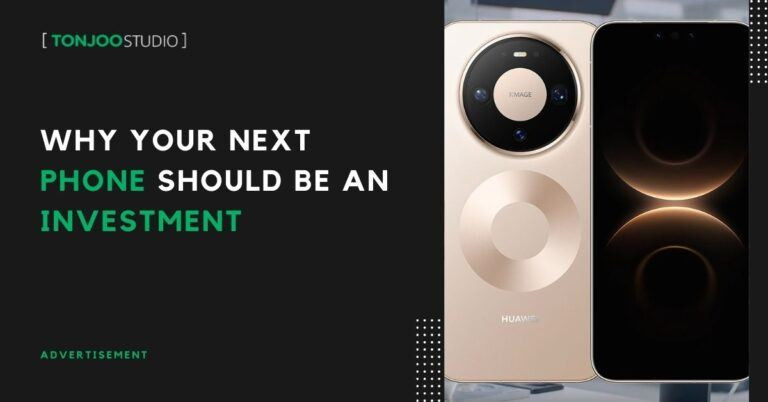
When we look at the Mate 80 price smartphone shoppers are considering this year, the conversation is shifting. People aren’t just asking “how much is it today?” They’re asking “how much will this be worth to me in 2029?” It’s a move toward tech longevity, and it’s a refreshing change in a world of disposable gadgets.
Advertisements
Quality Over “Cheap” Fixes
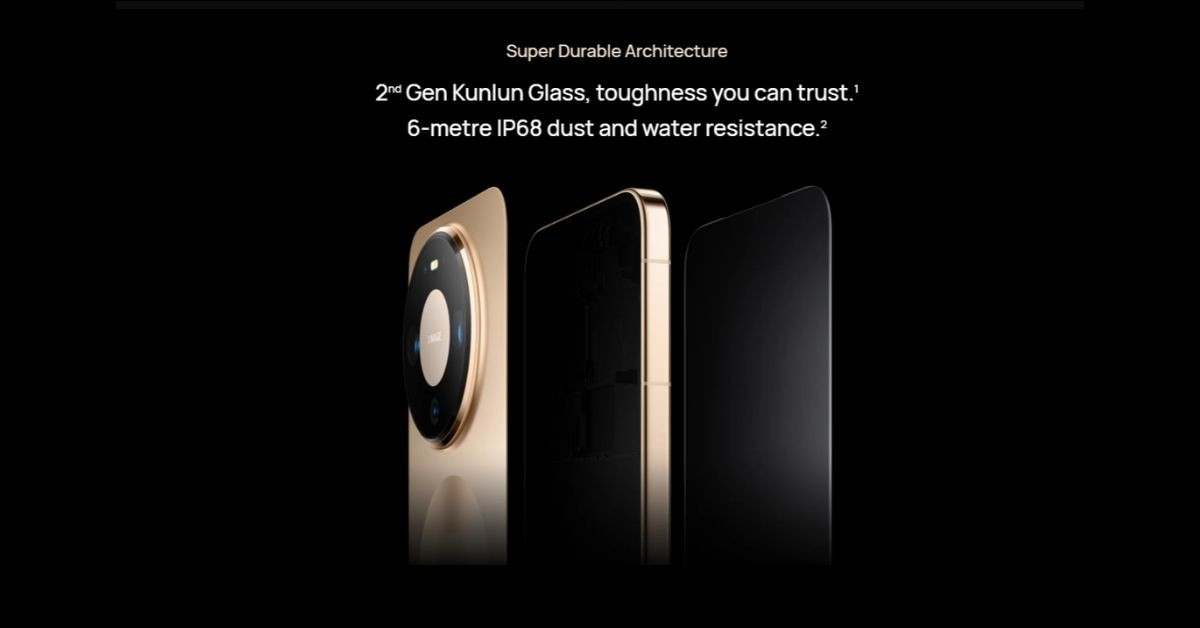
It’s tempting to go for the cheapest flagship on the shelf. We’ve all been seduced by a low price tag, only to realize later that the brand cut corners on things like glass durability or cooling systems. The Mate 80’s smartphone positioning is interesting because it sits firmly in the “premium but fair” bracket.
You’re paying for the R&D that went into the second-gen Kunlun Glass. While that might make the upfront cost a bit higher than a mid-range “plastic” phone, it saves you the $200+ headache of a cracked screen six months down the line. It’s the difference between buying a pair of boots that last a decade versus a pair you have to replace every winter.
The Silicon Secret: Efficiency is Everything
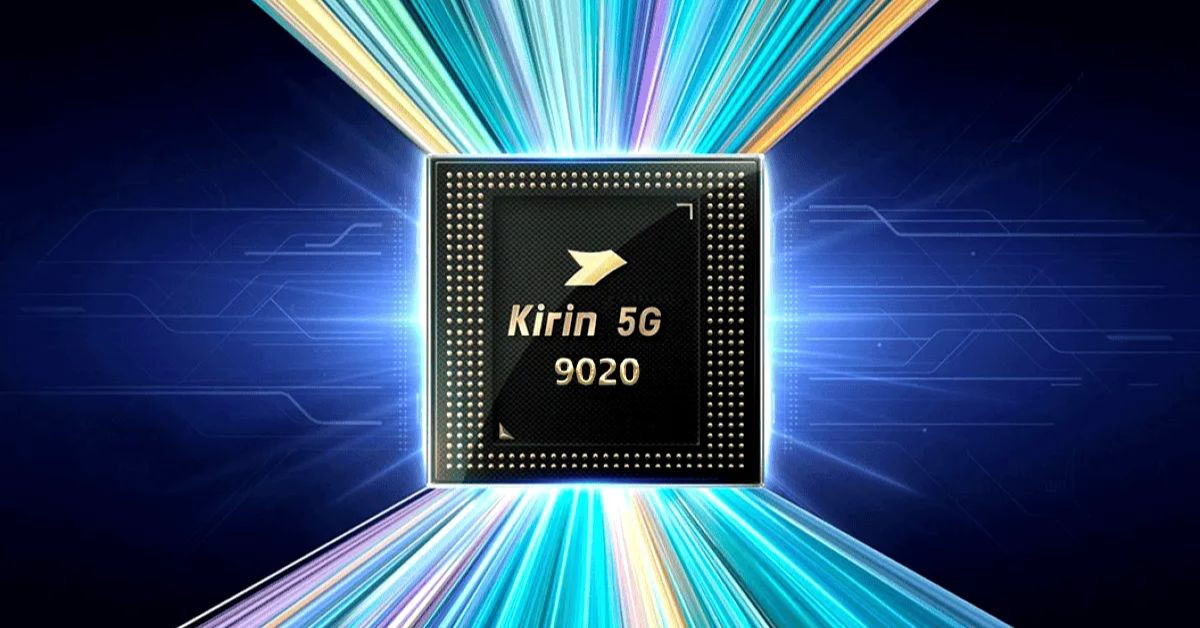
A huge part of a phone’s “value” is its processor. The Kirin 9020 inside this device isn’t just about raw speed for gaming; it’s about thermal efficiency. When a chip runs cool, the battery lasts longer—not just per day, but over the years. Heat is the number one killer of lithium-ion batteries.
By optimizing the way the Mate 80 price smartphone handles background tasks, HarmonyOS 6.0 ensures the hardware isn’t working harder than it has to. This means that three years from now, your battery health is likely to be significantly higher than a device that runs hot every time you open a high-res video. That’s a massive win for the “long game” users.
Baca Juga
Advertisements
Software That Doesn’t Bloat
We’ve all experienced “software bloat”—that slow crawl that happens when an OS gets too heavy for the hardware. Because this device uses a microkernel-based system, it’s inherently leaner. It’s built to be modular, meaning the phone only runs the bits of code it needs at any given moment.
When you evaluate the Mate 80 price smartphone against its competitors, you have to factor in the software support cycle. A phone that stays fast for five years is effectively 50% cheaper than a phone you have to replace every two and a half years. It’s simple math, but it’s often overlooked in the rush to get the latest shiny object.
Resale Value and Brand Trust
Finally, there’s the secondary market. High-end Mate series devices tend to hold their value remarkably well. If you decide to upgrade in a few years, a well-maintained device with “Ultra-Reliable Xuanwu Architecture” is going to fetch a much better price than a generic flagship.
The brand has clearly doubled down on the idea that “premium” should mean “reliable.” Whether it’s the IP69 water resistance that saves you from an accidental dip in the pool or the satellite messaging that gives you peace of mind on a remote hike, these features add a layer of utility that transcends the initial price tag.
Advertisements
The Verdict
Is it the cheapest phone on the market? No. But is it the best value for someone who wants to buy one great phone and not think about it again for half a decade? Quite possibly. The mate 80 price smartphone buyers are paying for is an investment in stability, durability, and a system that actually respects the user’s time and wallet.
In 2026, being “smart” with your money means looking past the flashy marketing and checking the foundations. And from what we can see, the foundations here are solid.
Last Updated on March 8, 2026 by Tonjoostudio Team

Advertisements